THE FACTORY THAT BECAME THE CITY: Volkswagen and the Making of Wolfsburg
2026 Fieldwork + Independent Research
Project Location: Wolfsburg, Germany
A fieldwork-based study of how Volkswagen continues to organize Wolfsburg's physical, economic, and symbolic landscape through production, tourism, and consumption.
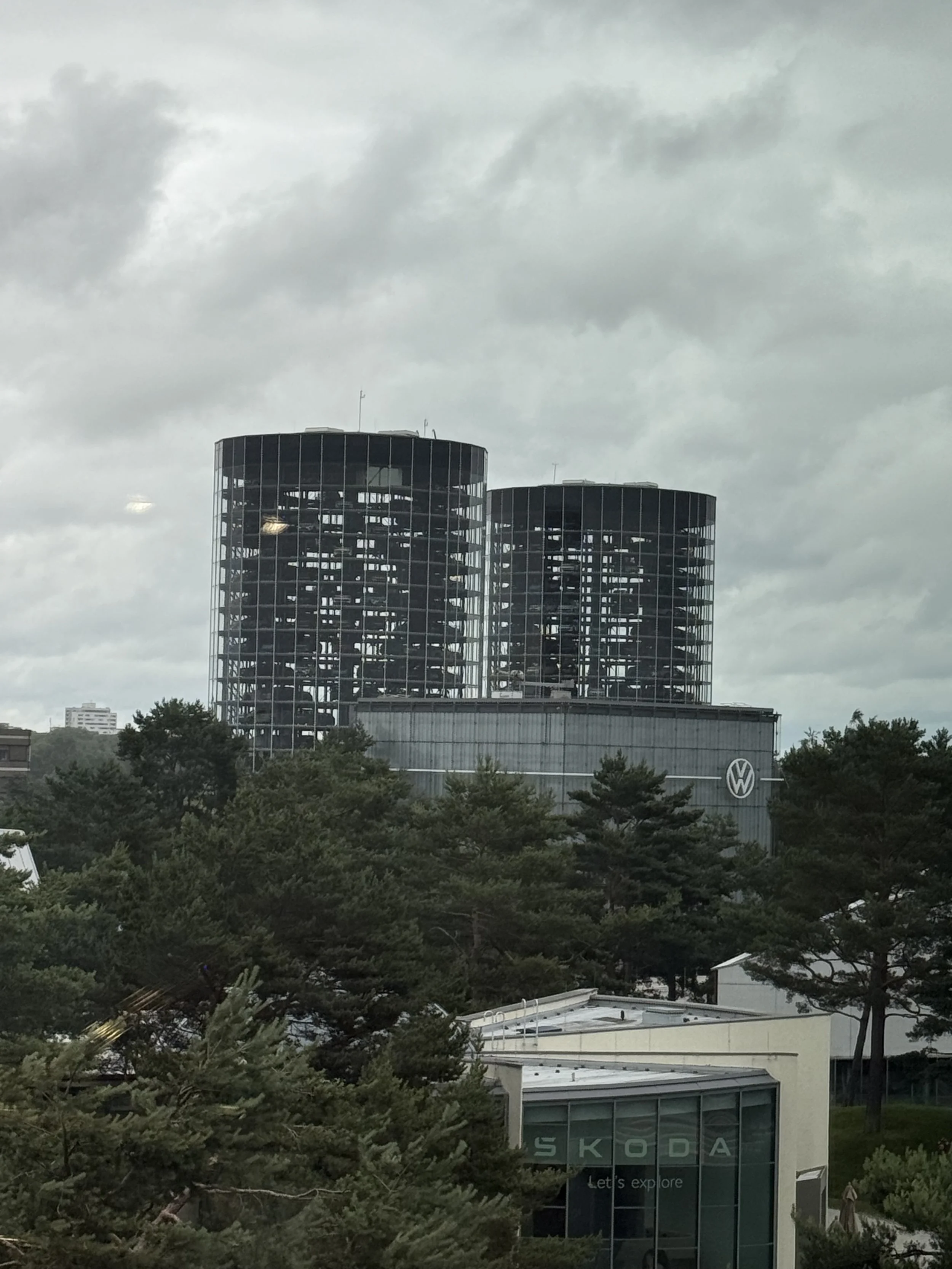
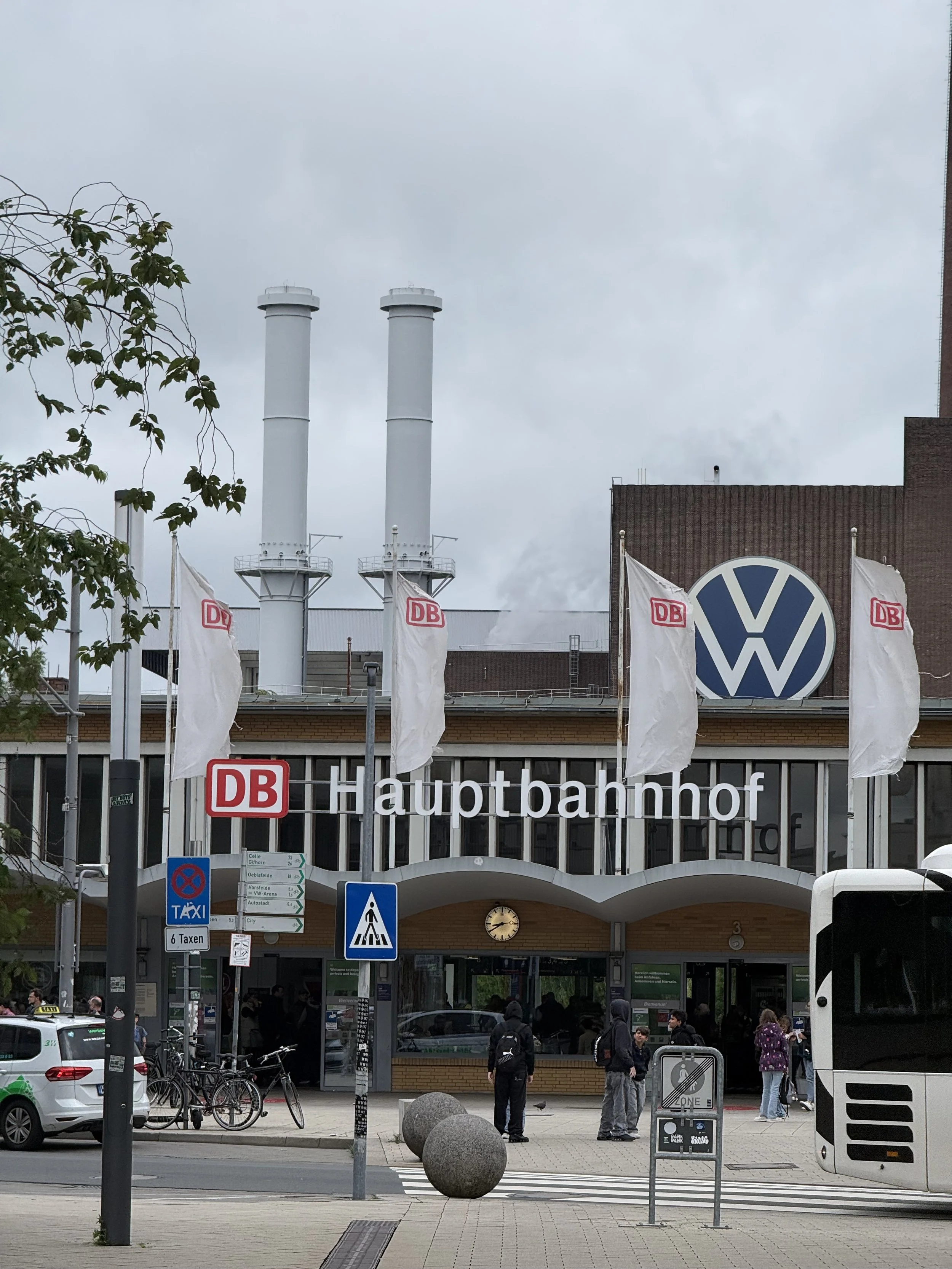
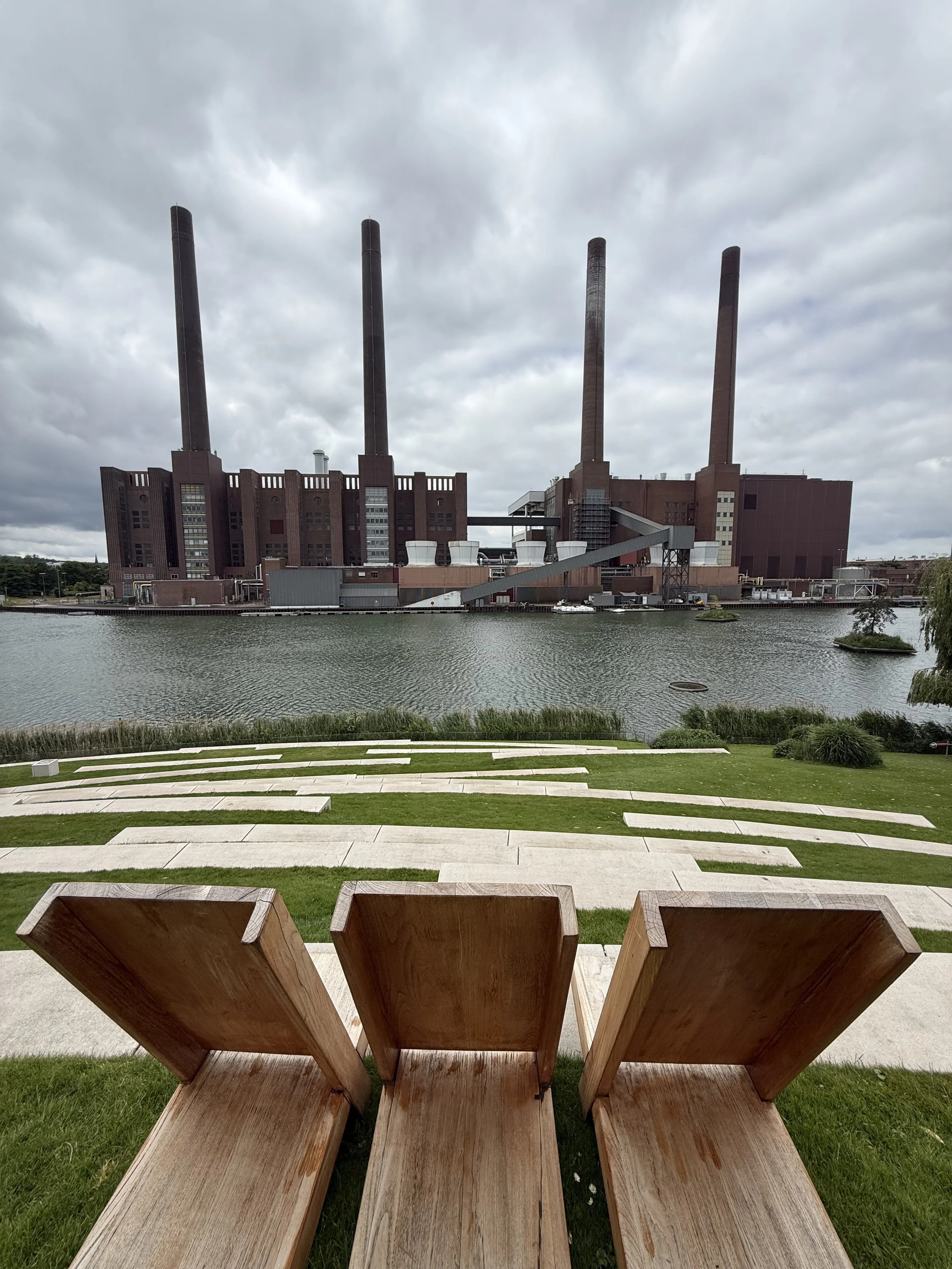
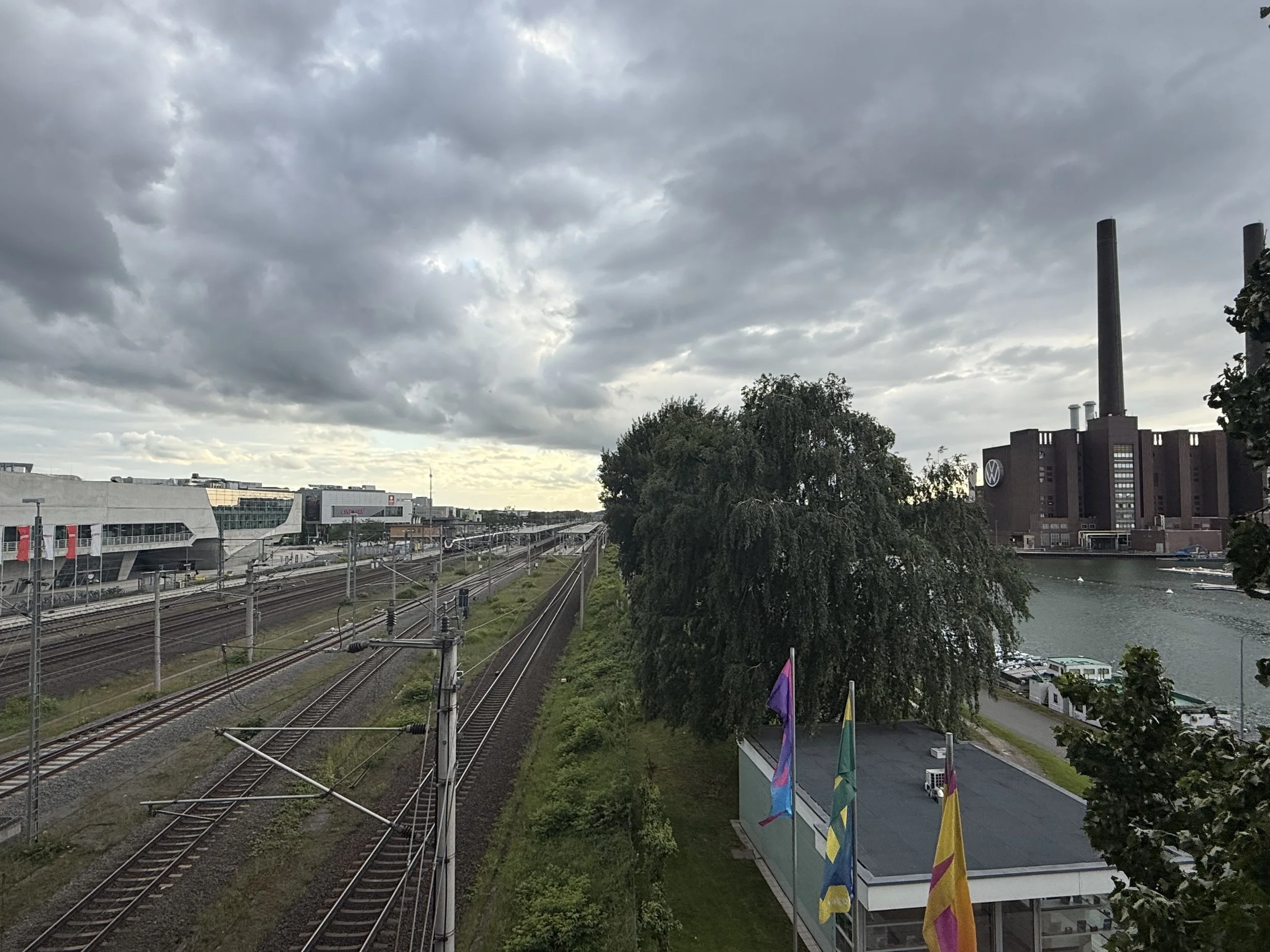
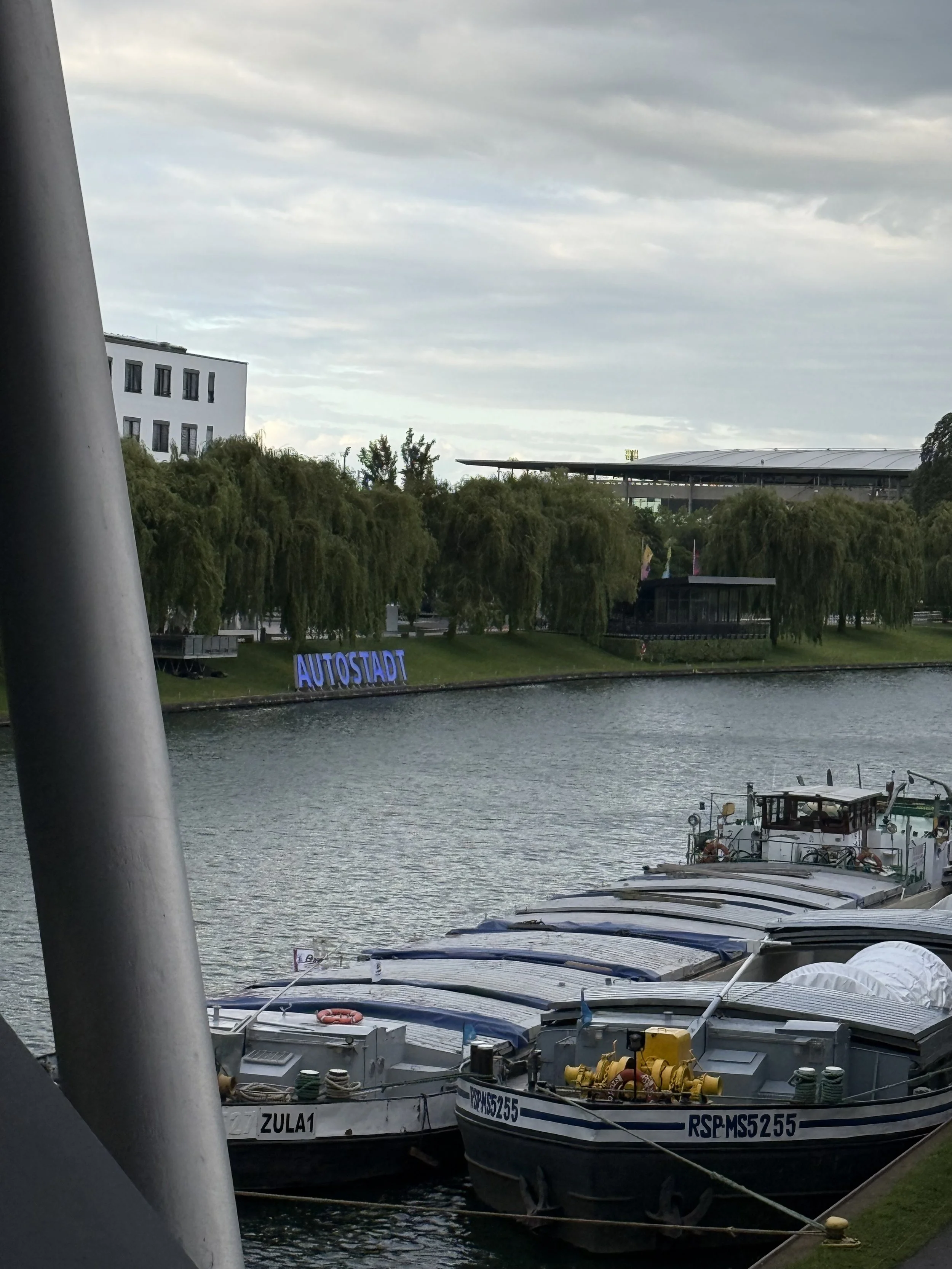
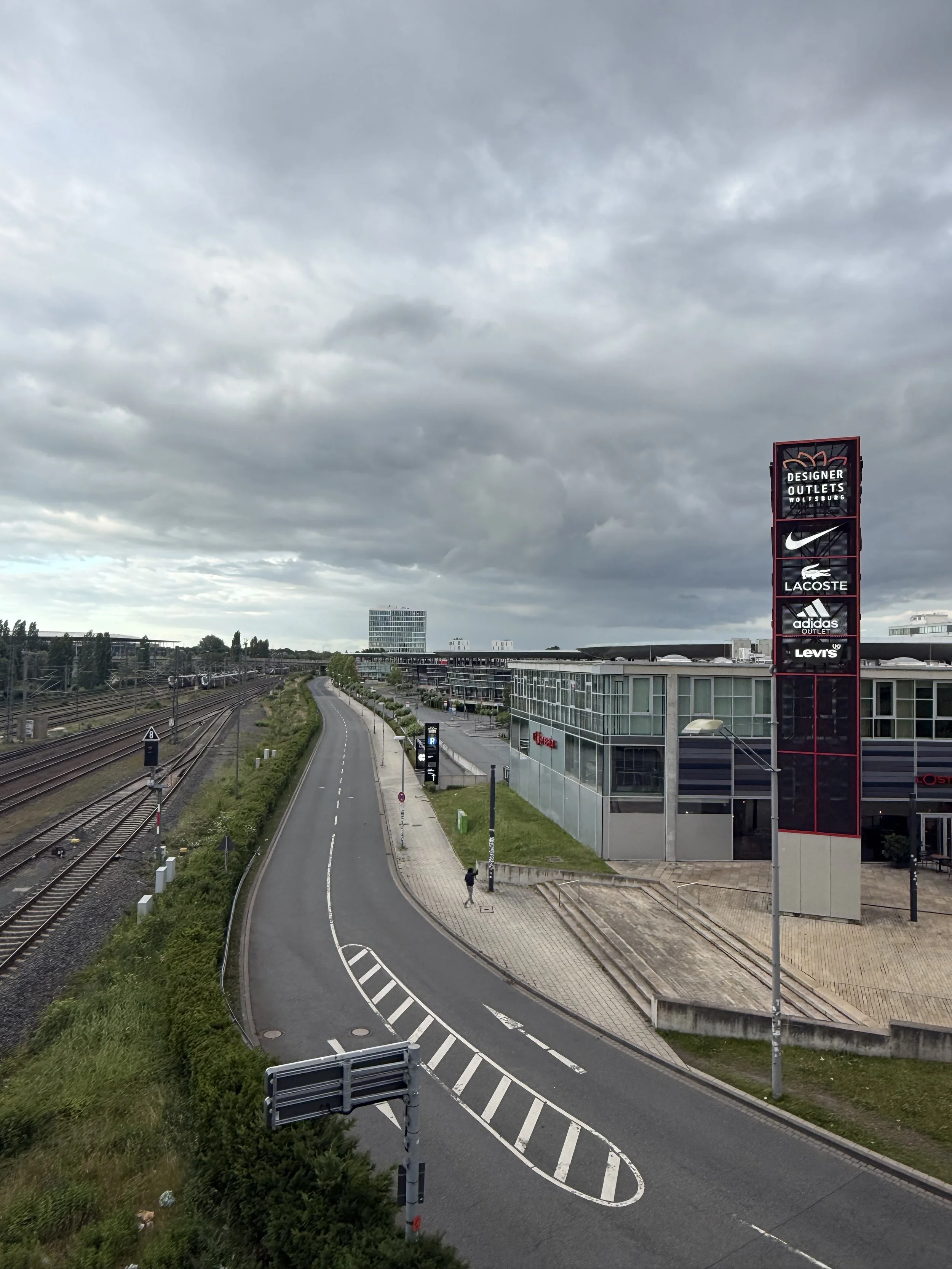
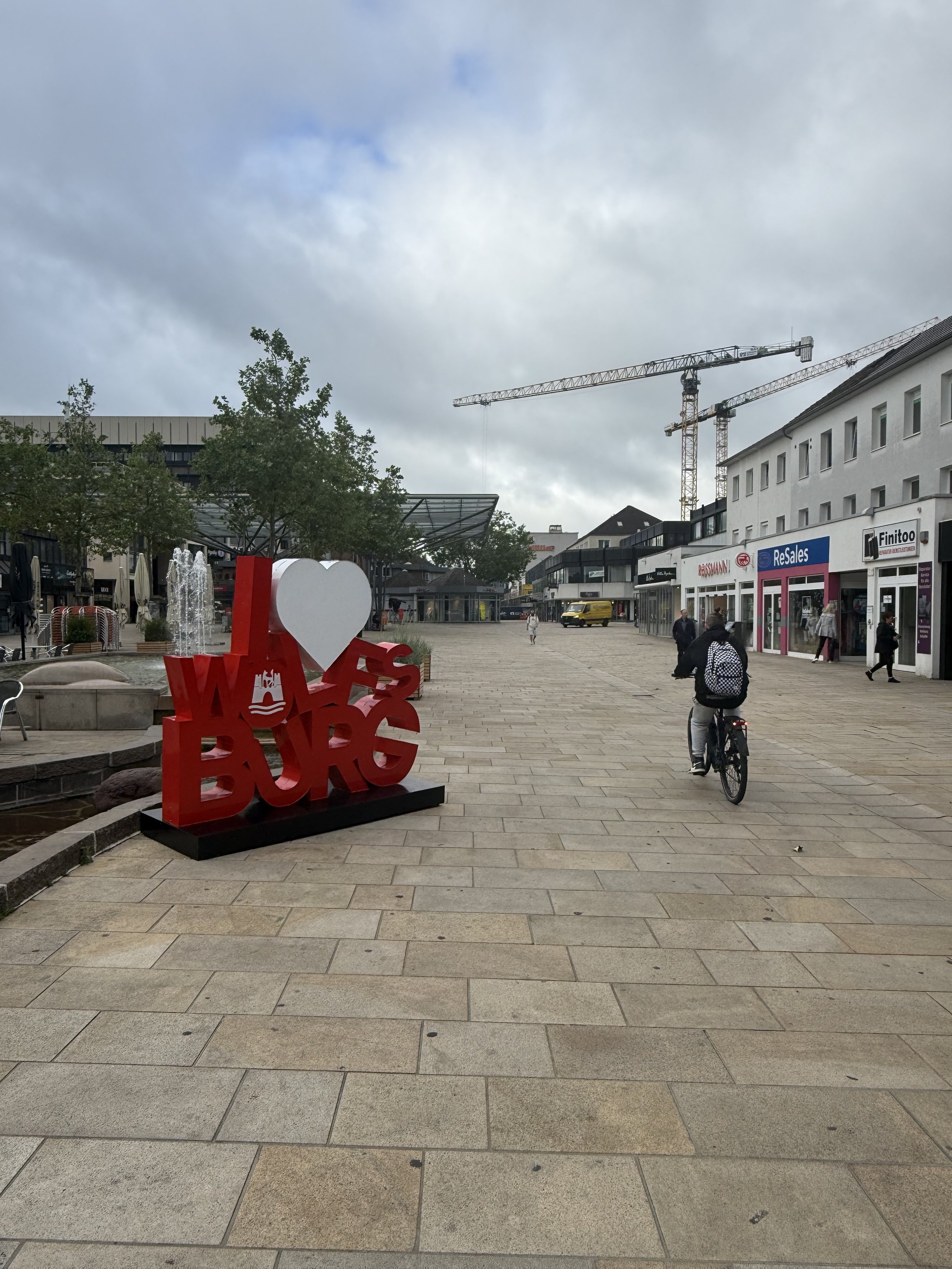
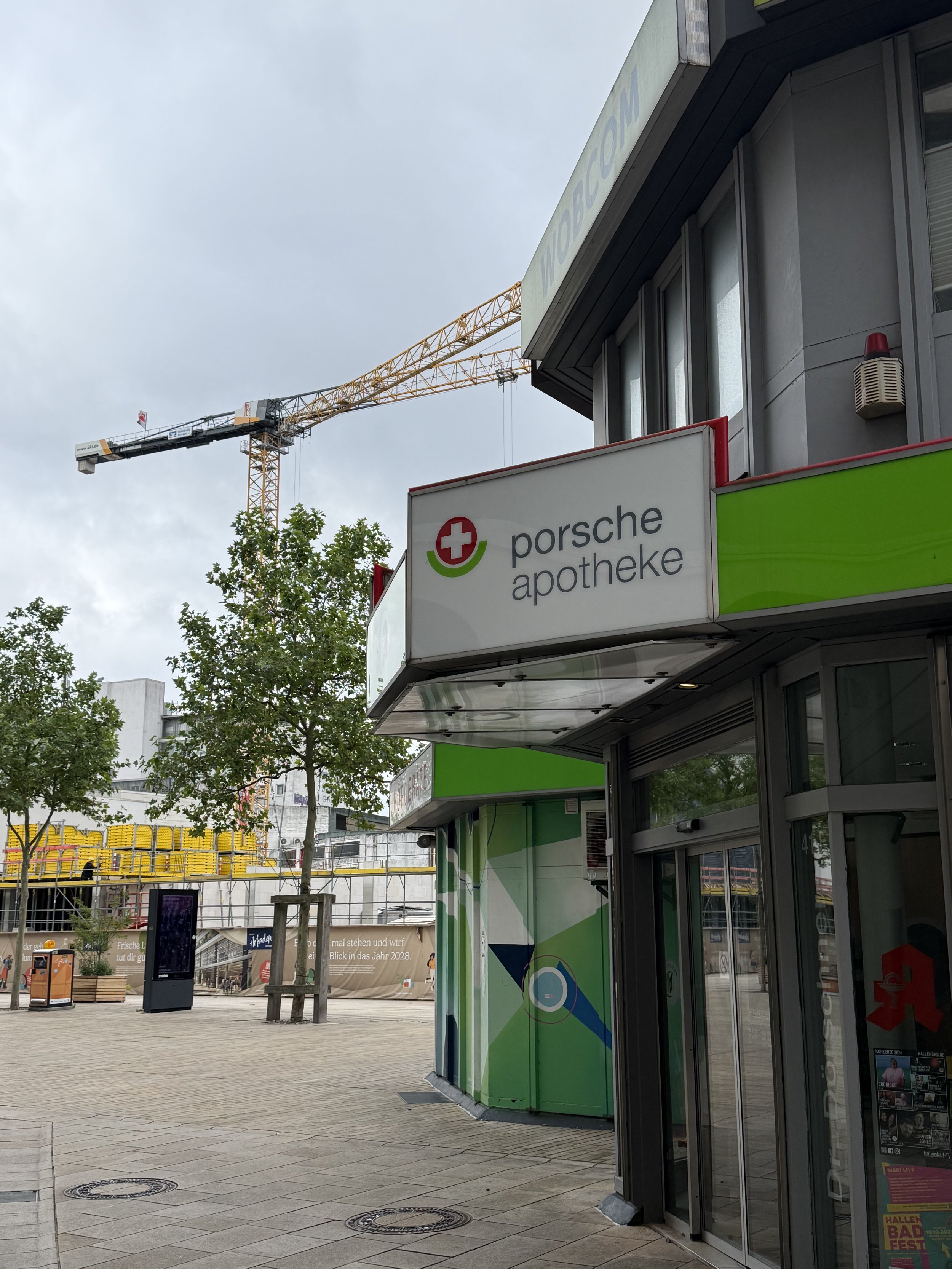
This study examines the relationship between Volkswagen and the city it created. Founded in 1938 to house workers for the factory, Wolfsburg remains organized around industrial production in ways that extend far beyond the factory gates. Based on fieldwork conducted in June 2026, the research documents how manufacturing, logistics, mobility infrastructure, tourism, hospitality, retail, and public space operate as parts of a single territorial system.
Rather than treating Wolfsburg as a conventional company town, the project argues that Volkswagen functions as an urban framework. The factory remains the economic engine, while Autostadt transforms production into a destination and consumption into another layer of industrial infrastructure. Together they produce a city whose physical, economic, and symbolic center continues to be the factory.
Most cities have factories. Wolfsburg is one of the few factories that has a city.
Research Publication
Field Notes, June 2026
Walking observations documenting how production, tourism, mobility infrastructure, and everyday urban life intersect around Europe's largest automobile factory.