LAST MILE URBANISM: The spatial consequences of convenience
2021 Initial Fieldwork + Research Mapping: Conor O’Shea Hinterlands
2026 Revisited + Expanded
Project Location: Chicago, IL, USA
This project traces the spatial consequences of convenience, revealing last-mile logistics as one of the defining urban infrastructures of contemporary life.
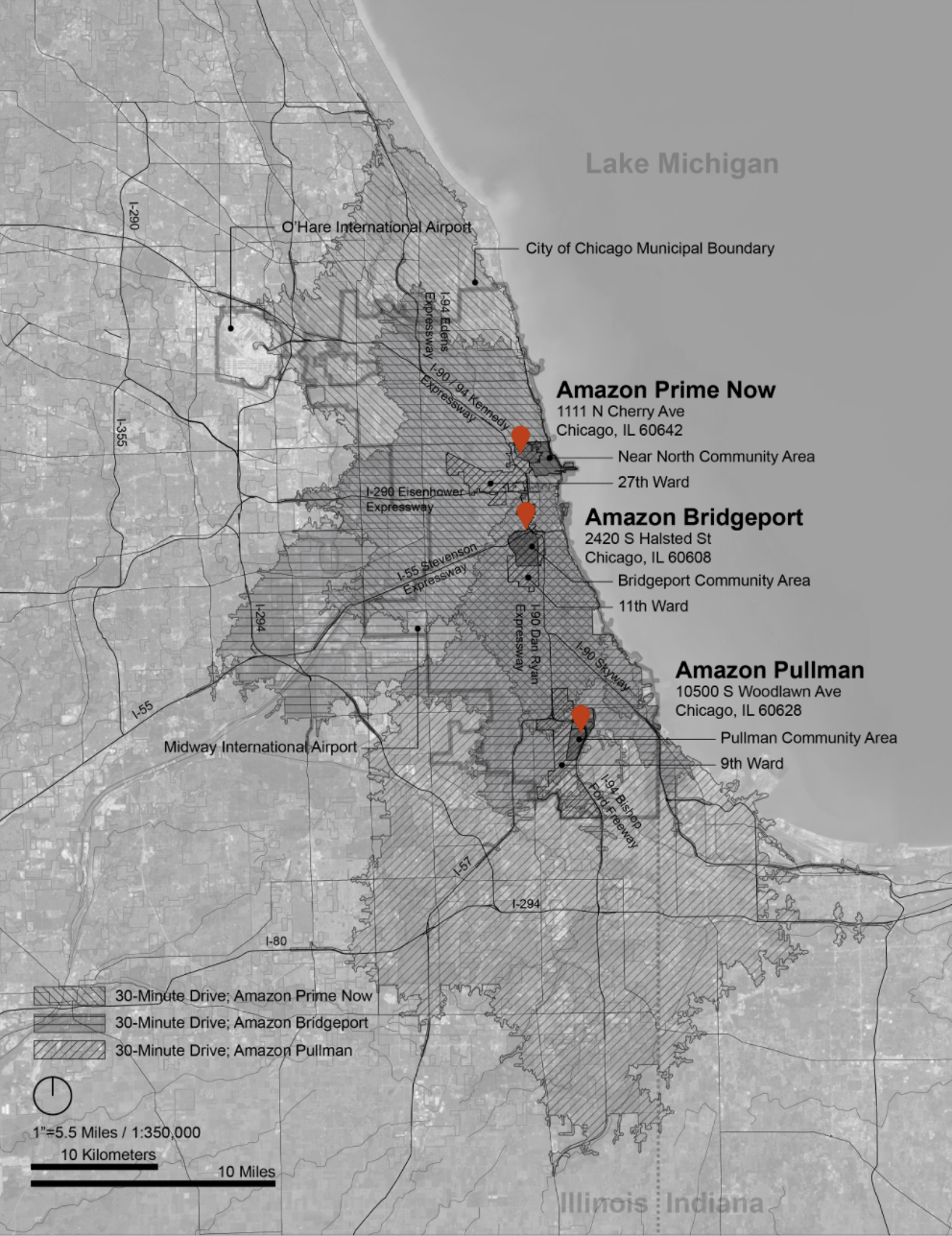
Last Mile Urbanism began in 2021, when pandemic-era demand was accelerating Amazon’s expansion into Chicago. Five years later, the project returns to three sites—Goose Island, Pullman, and Bridgeport—to examine what happened after the disruption became ordinary.
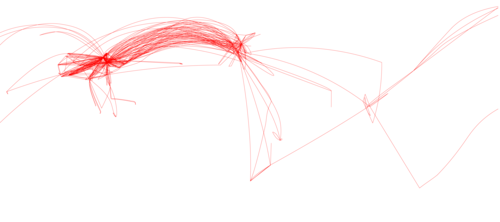
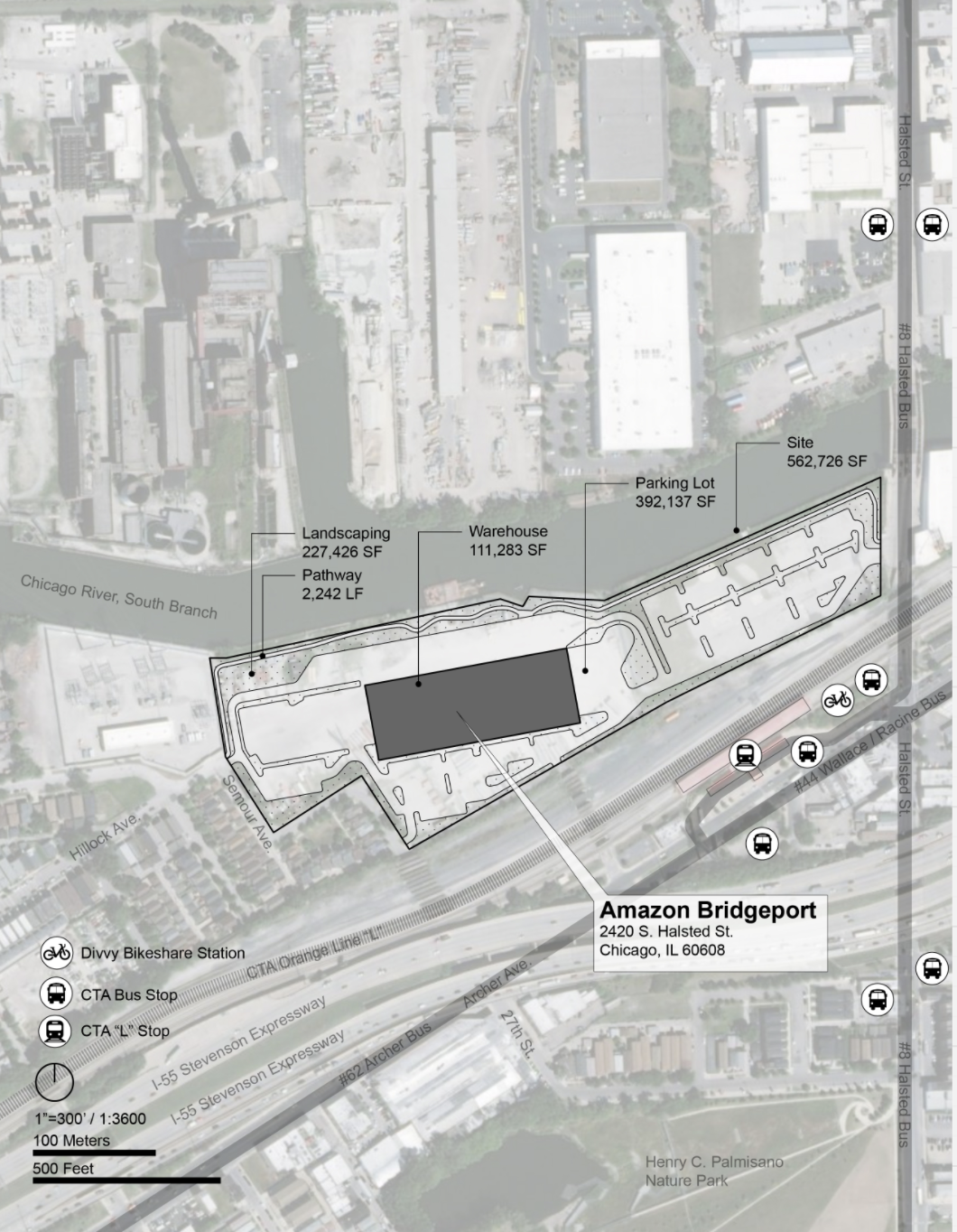
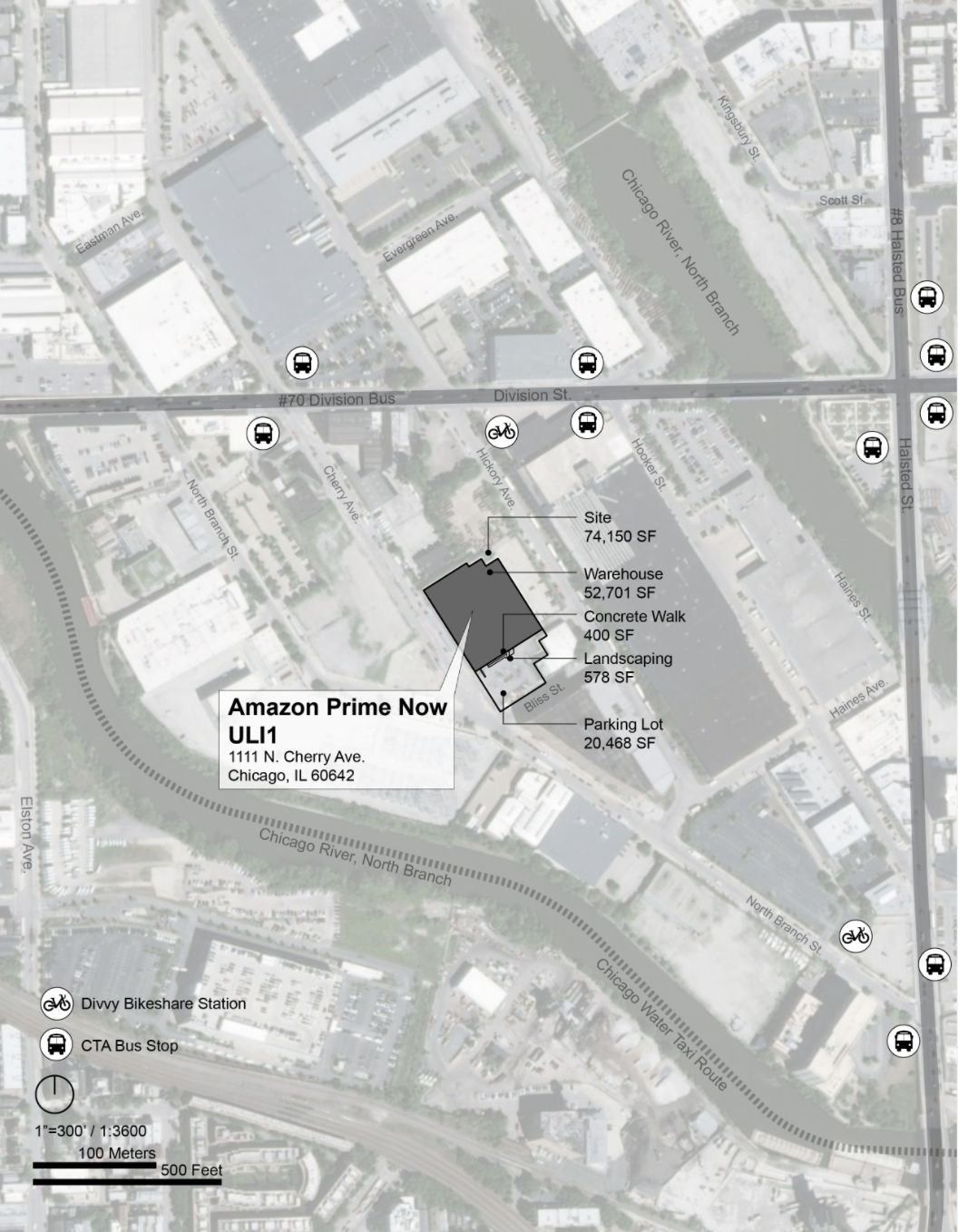
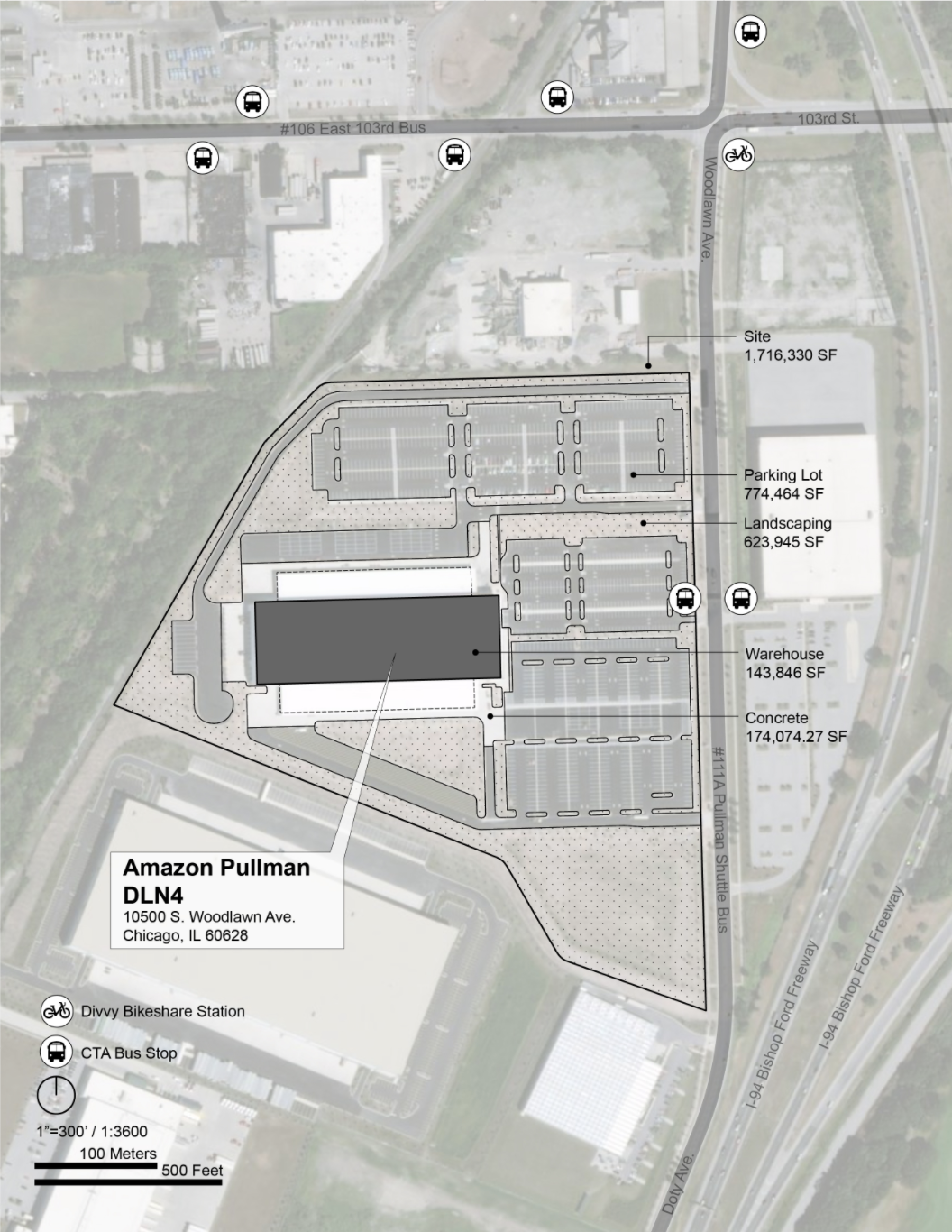
Together, the sites trace Amazon’s movement from the discreet reuse of an existing industrial building to purpose-built logistics landscapes and increasingly contested urban locations. Through mapping, archival research, field observation, and site photography, the project connects facilities normally considered in isolation to the metropolitan delivery network, neighborhood streets, curb space, labor, and everyday domestic life.
Amazon’s last mile is not simply a fulfillment service or collection of warehouses, but a privately operated urban system whose spatial costs are absorbed by the city.
Full case study forthcoming
Site Comparisons
The three sites occupy radically different urban conditions: compact adaptive reuse on Goose Island, a purpose-built logistics campus in Pullman, and contested riverfront development in Bridgeport. Read together, and revisited five years after the original research, they reveal how Amazon’s delivery infrastructure expanded, adapted, and ultimately became normalized within Chicago.
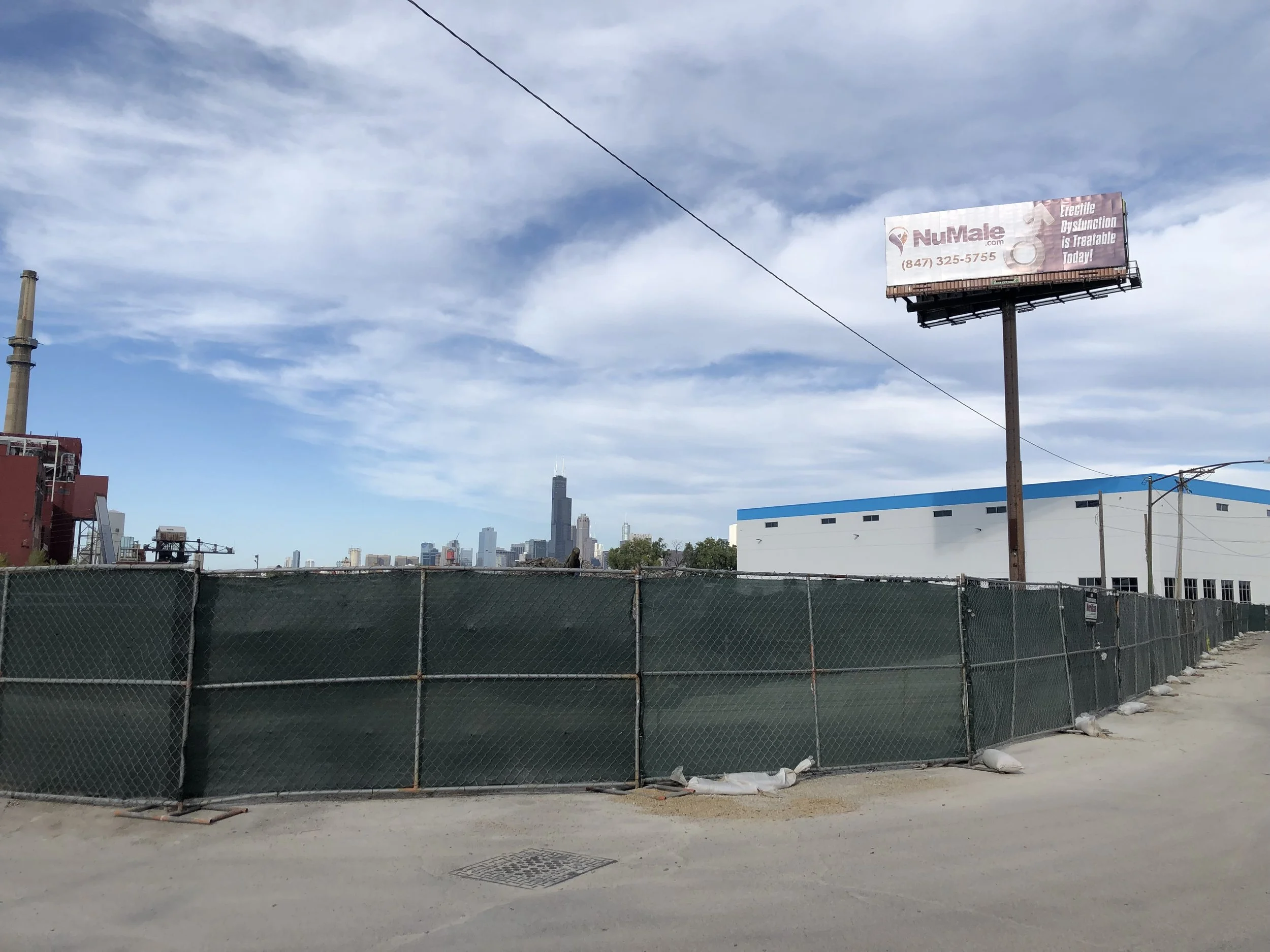
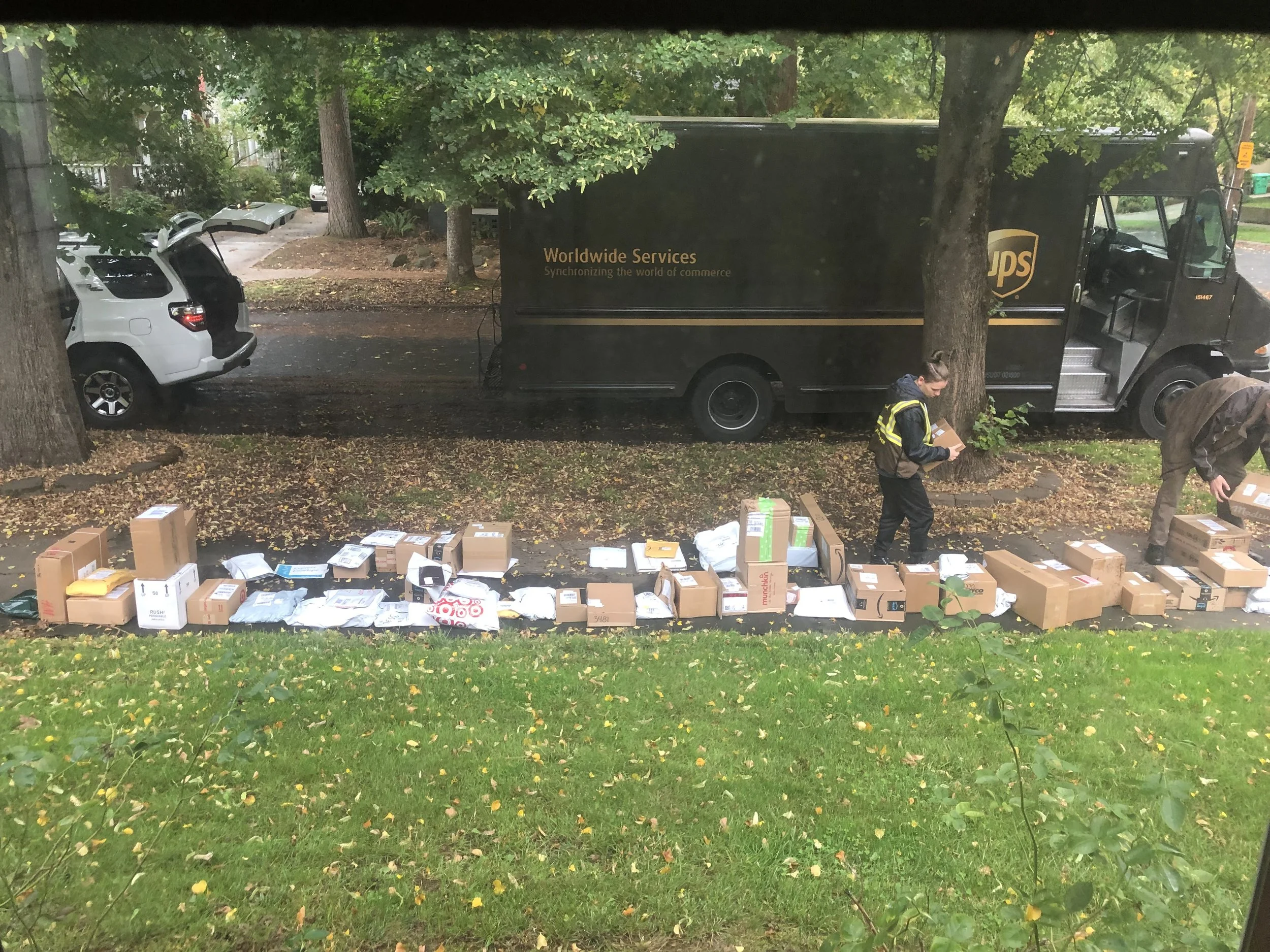
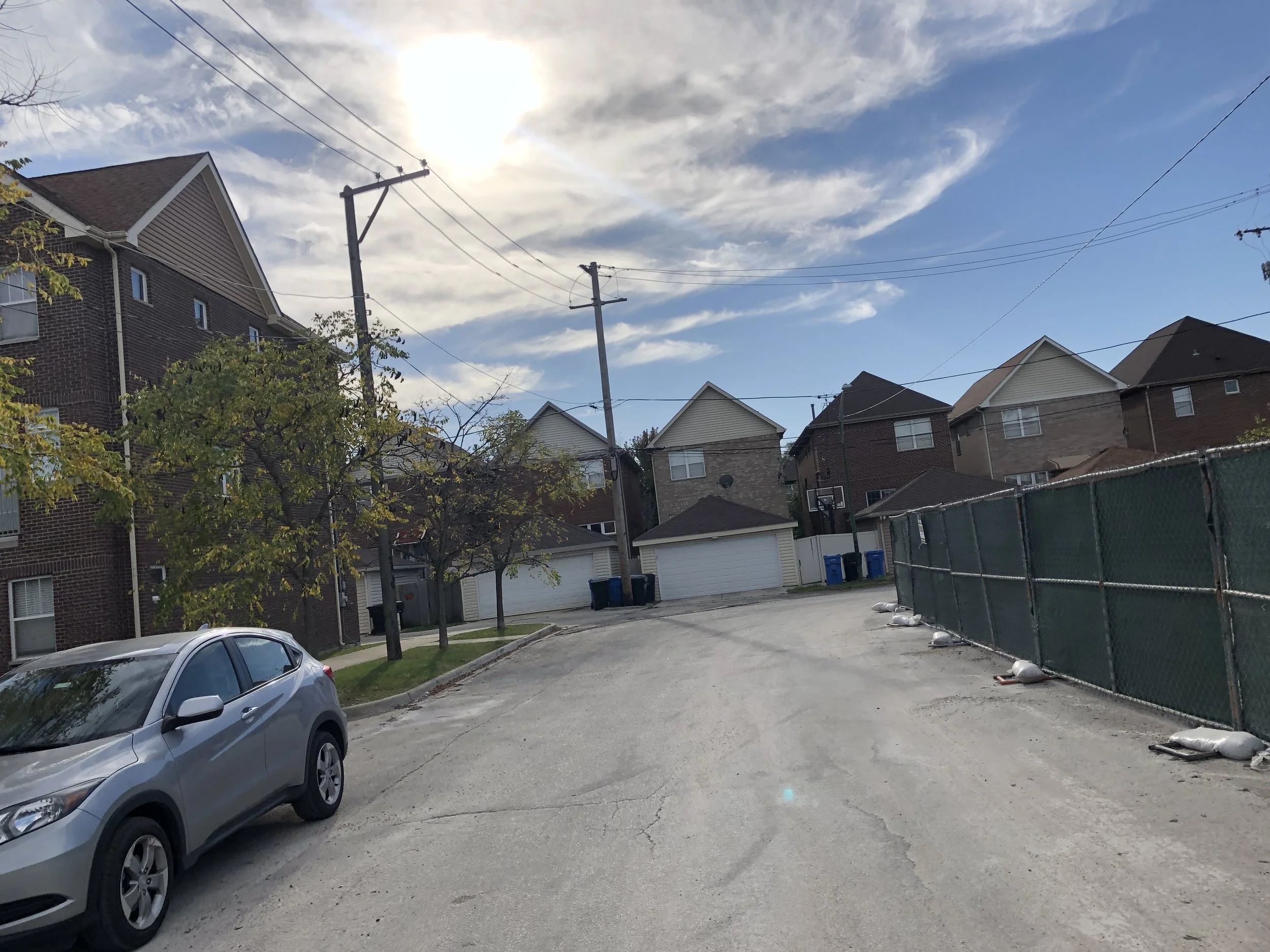
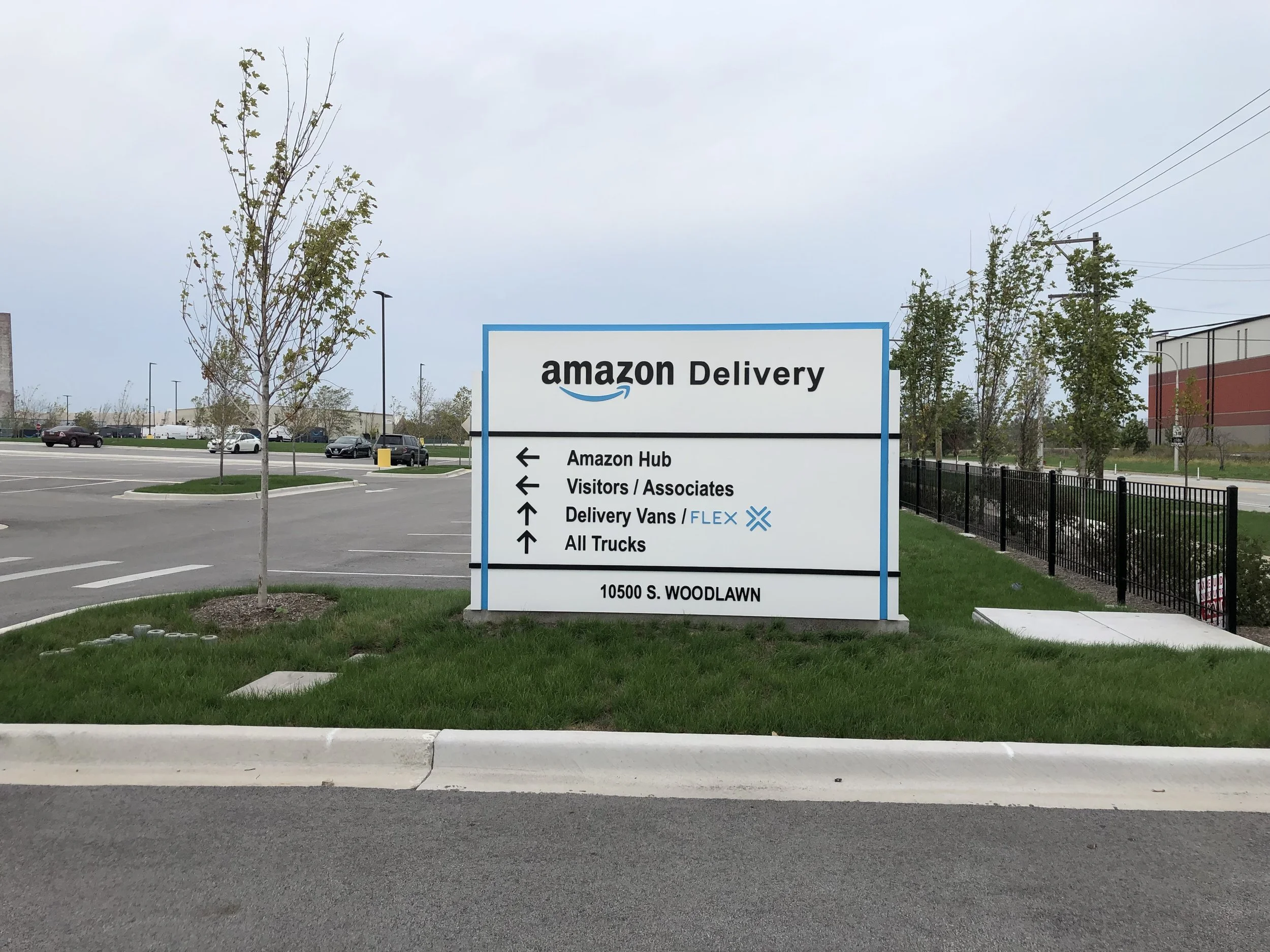
Field Notes, October 2021
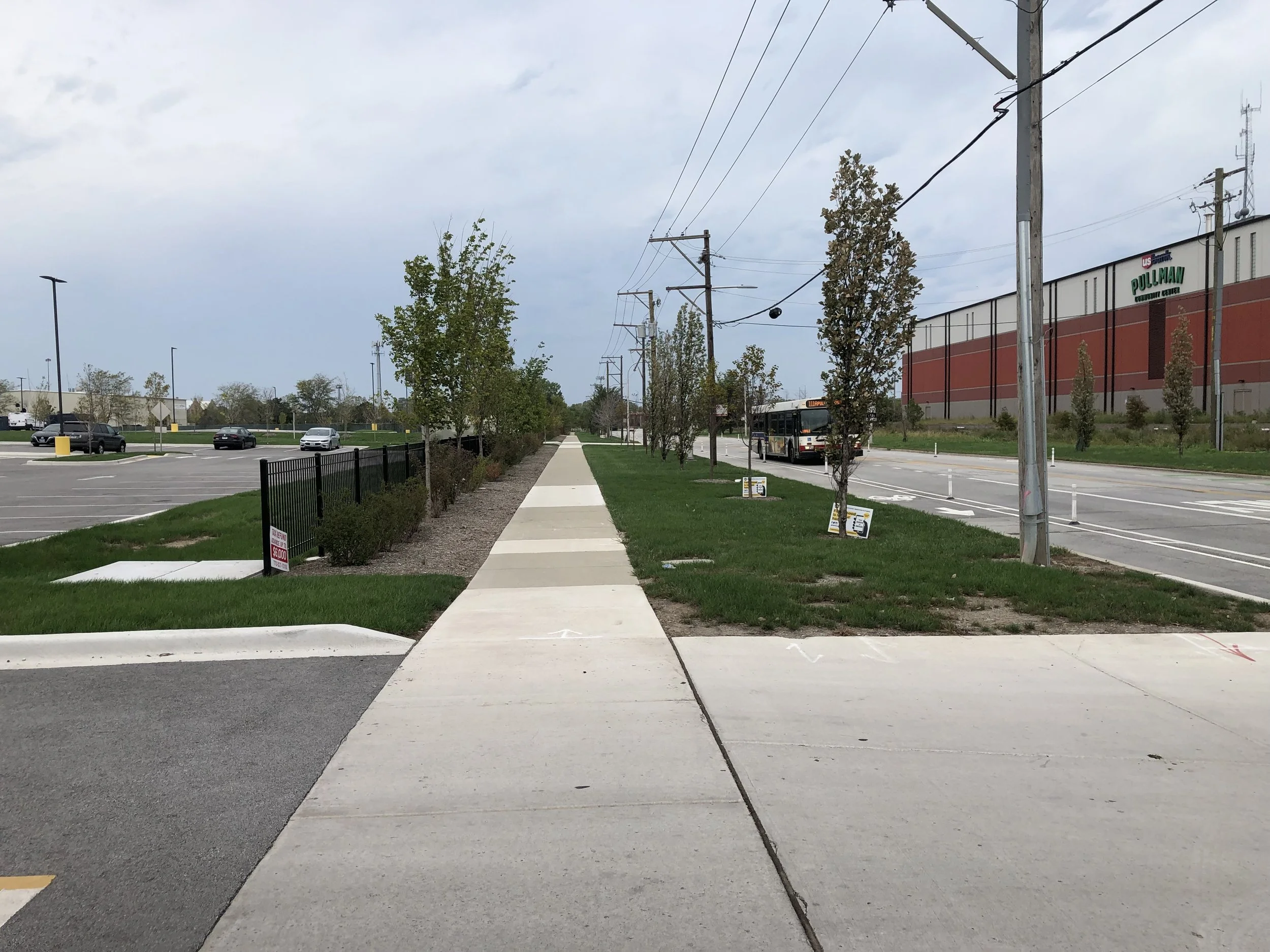
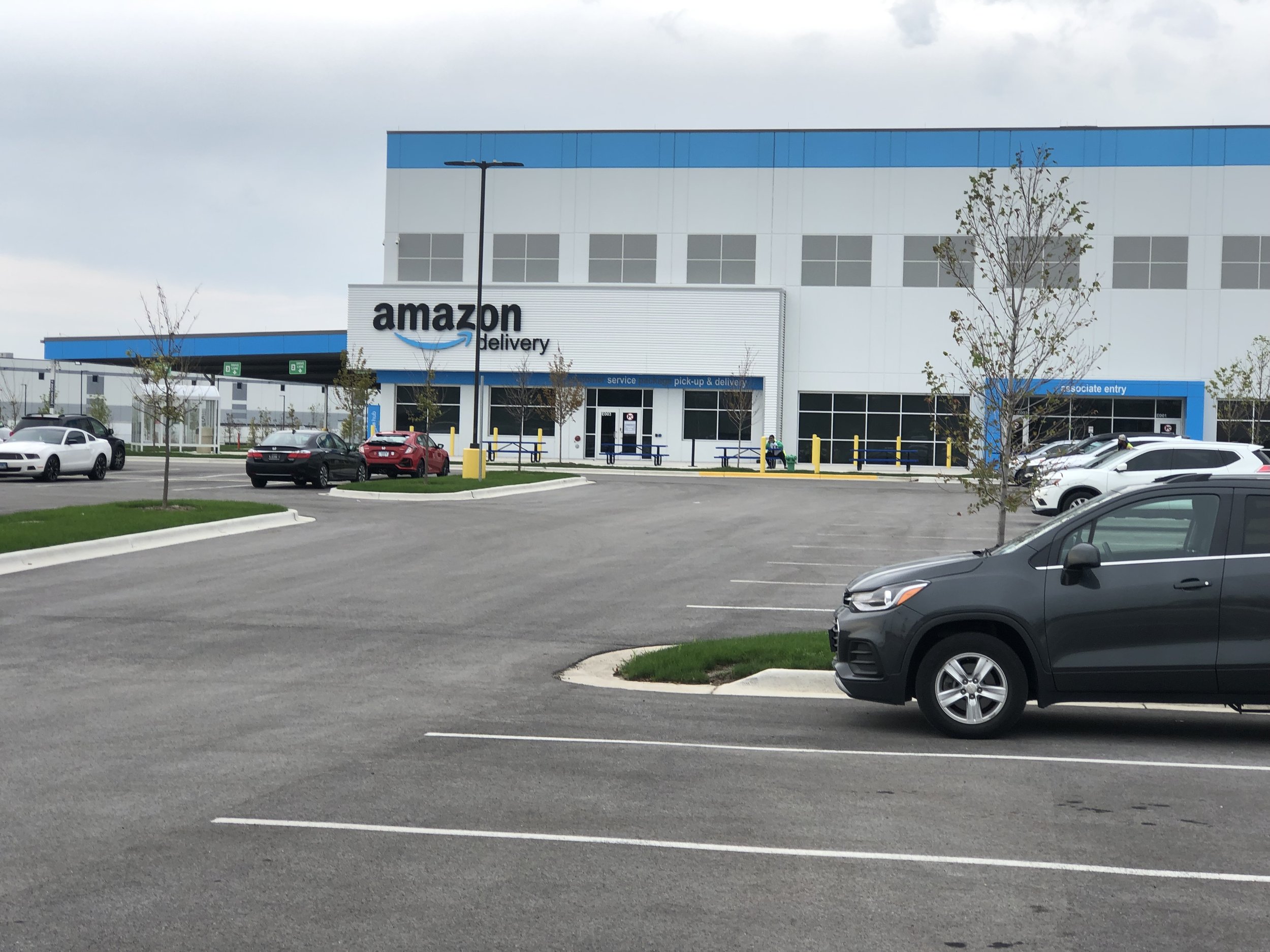
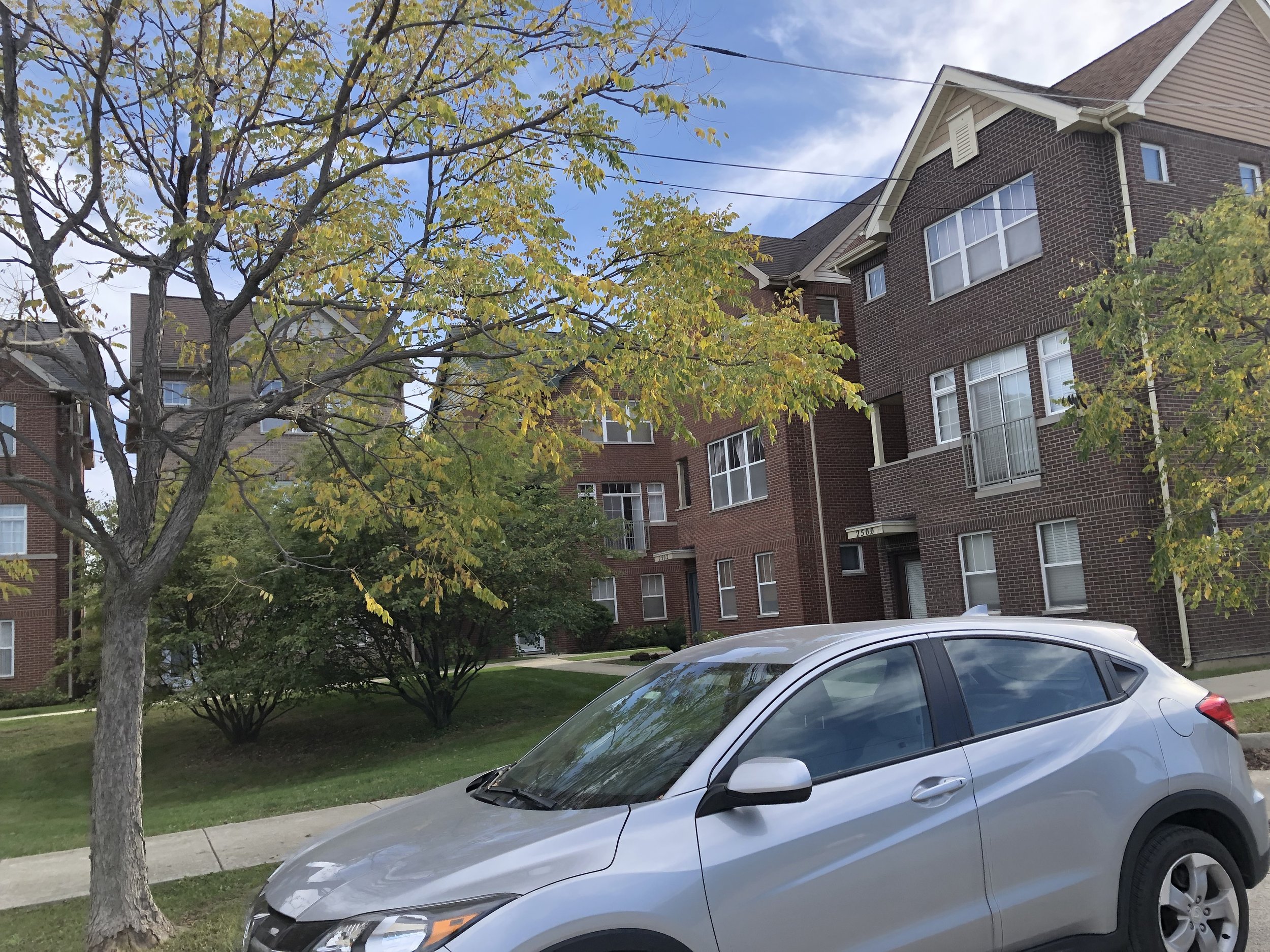
On-site observations documenting how last-mile logistics meets the city at ground level: blank warehouse edges, oversized curb cuts, delivery fleets, sidewalks, fencing, signage, and the changing relationship between urban life and distribution infrastructure.